
Roof Ventilation & Ice Dams
Roof Ventilation & Ice Dams in Lakewood, CO
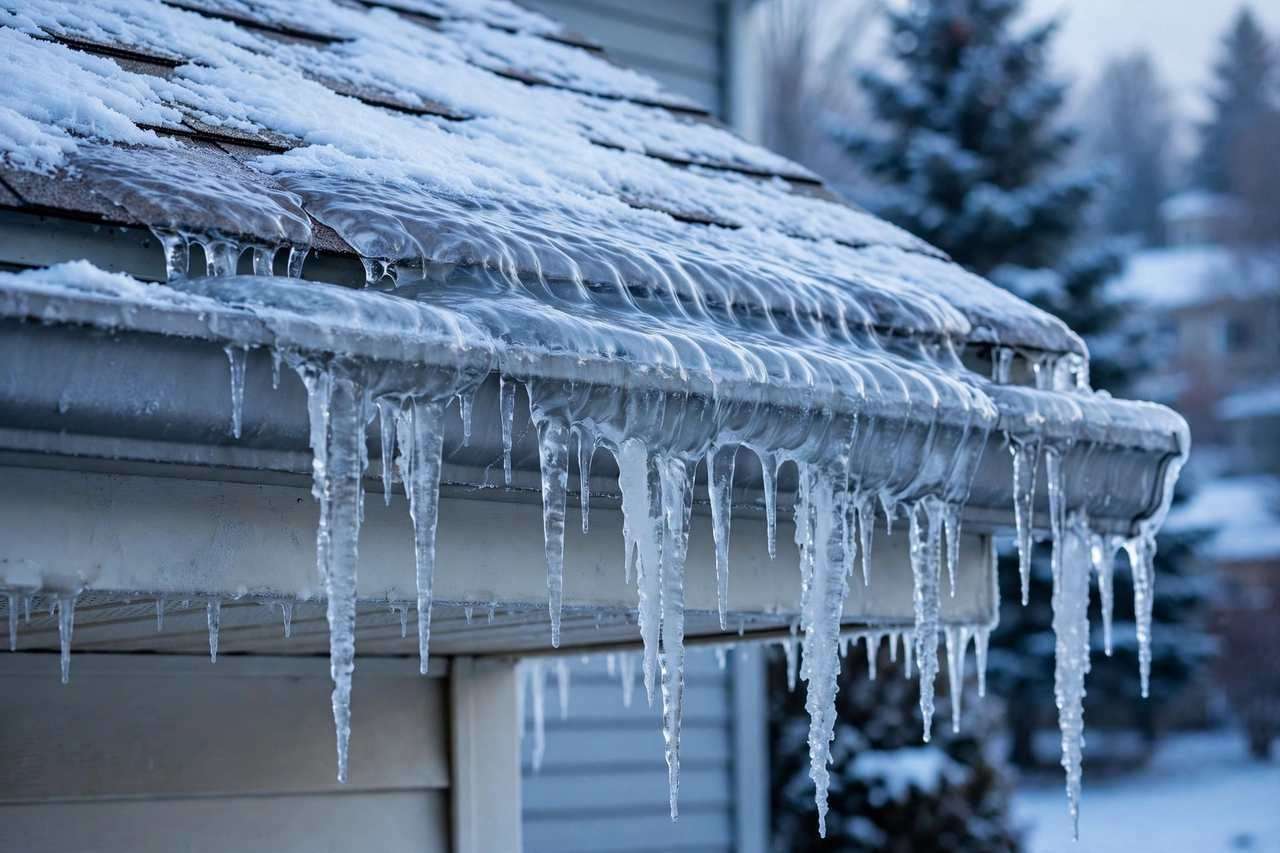
An ice dam is not a roofing failure. It is a ventilation failure that shows up on the roof. Warm air leaking into the attic melts snow at the ridge, the water runs down to the cold eaves, freezes, and builds a dam that backs water under the shingles and into the house. The fix is not a bigger heater or a roof rake. It is balanced ventilation — enough soffit intake, enough ridge exhaust — so the attic stays near outside temperature all winter. Call (720) 817-3348 and talk through your attic with a local crew.
Service overview
What Roof Ventilation in Lakewood Actually Involves
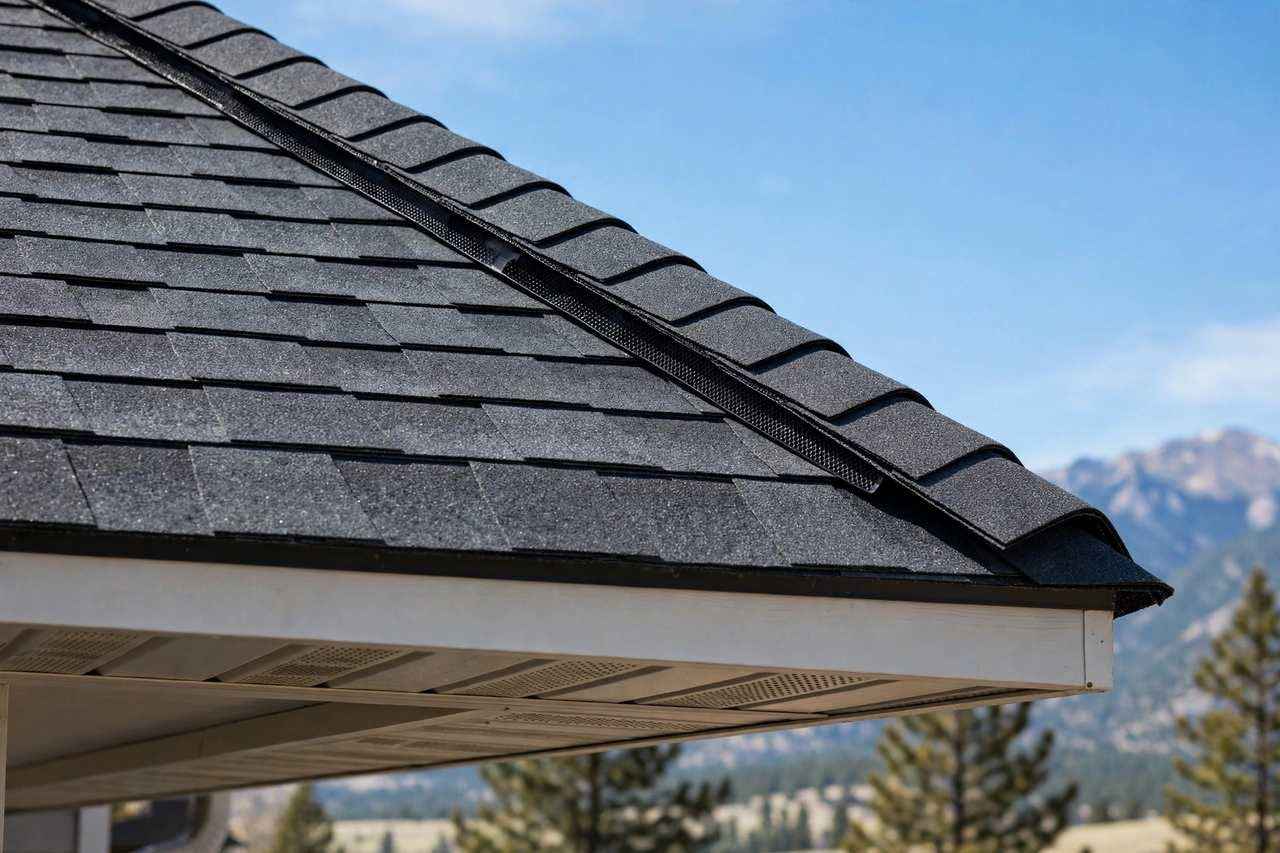
A ventilated attic has two halves: intake at the soffits and exhaust at the ridge. Air comes in low, travels under the deck, and leaves at the top, carrying heat and moisture with it. When the two halves are balanced, the attic stays near outside temperature. When they are not — a ridge vent with no soffit intake, or soffit vents blocked by insulation — the attic warms up, and that is what starts an ice dam. We measure both sides before recommending anything, because a ridge vent without enough intake does almost nothing.
Lakewood's winters make this a real problem, not a theoretical one. January mean temperatures here run about 32 to 33 degrees Fahrenheit, so snow on a roof sits right at the melting point: a warm attic melts it from below, and the cold eaves refreeze it. Lakewood does not require an ice barrier under the roof covering, and we never claim otherwise. What we do install, as best practice, is self-adhering ice-and-water shield at the eaves and valleys — a second line of defense for the water that gets past the shingles, not a substitute for ventilation. If your attic is showing moisture or your eaves grow dams every winter, a roof inspection is the right first step.
Practical benefits
Why Balanced Ventilation Matters in a Snow Climate
Ventilation is the least expensive part of a roof system and the one most often skipped. Here is what it buys you.
Ice Dams That Stop Forming
A cold attic does not melt snow from below, so there is no water running down to freeze at the eaves. Ventilation attacks the cause; the shield only catches the water after the fact.
Shingles That Age Slower
A hot attic in summer bakes shingles from underneath. Balanced ventilation keeps the attic near outside temperature, which slows that aging.
A Dry Attic
Moisture from the house rises into the attic. Without ventilation it condenses on the cold deck, wetting insulation and decking. Airflow carries it out.
Gutters That Drain Instead of Freezing
When the eaves stay cold, meltwater does not refreeze in the gutter. A gutter that drains has far less water to freeze, which is why the pitch matters too.
How service works
What to Expect When We Check Your Ventilation
A ventilation check is an inspection, not a sales call. Here is the sequence.
STEP 01
Roof and Attic Inspection
We walk the roof and look at the attic side where we can get in, checking the soffit intake, the ridge exhaust, and whether insulation is blocking the airflow.
Tools and methods
Tools and Methods We Use on Every Ventilation Job
Soffit vent check
Confirms the intake vents are open and not painted shut or blocked by insulation.
Ridge vent measurement
Measures the exhaust against the intake, because a ridge vent without enough soffit intake does almost nothing.
Baffles
Keep insulation out of the airflow at the eaves so air can travel from the soffit to the ridge.
Attic inspection light
Lets us see blocked vents, wet insulation, and condensation on the deck from inside.
Ice-and-water shield
Self-adhering membrane at the eaves and valleys as best practice, not a code claim. Lakewood does not require an ice barrier.
Roofing nail gun
Fastens venting and flashing at the spacing the maker specifies.
Chalk line
Keeps vent runs straight so the finished roof looks right.
Safety harness and ladder stabilizer
Keeps the crew tied off on steep pitches and two-story homes.
Leaf blower
Clears debris from valleys and gutters during the work, so water has a clear path.
Magnetic sweep cleanup
Picks up nails and scraps from the yard and driveway before we leave.
Where this service fits
When Ventilation and Ice Dam Work Is the Right Call
Icicles and a ridge of ice along the eaves every winter
That ridge is an ice dam, and it means warm attic air is melting snow at the ridge. Balanced ventilation is the fix; the shield is the backup.
A ceiling stain at the outside wall after a snow
Water backing up under the shingles at the eaves shows up at the outside wall first. We check the ventilation and the shield, not just the stain.
A new roof that still grows ice dams
If the roof is new and the dams are back, the ventilation was never fixed. A ridge vent alone, without enough soffit intake, will not stop them.
Condensation and wet insulation in the attic
Moisture in the attic is a ventilation problem. Without airflow it condenses on the cold deck, wetting insulation and decking over time.
Local execution
How Ventilation and Ice Dams Work in Lakewood
Lakewood sits at about 5,500 feet with January mean temperatures around 32 to 33 degrees Fahrenheit, which puts snow on a roof right at the melting point. That is why ice dams are common here even though Lakewood does not require an ice barrier: a warm attic melts snow from below, the water runs to the cold eaves, and it freezes into a dam. The median Lakewood home was built in 1977, and homes from 1960 to 1979 make up 40.2% of the stock, so many attics here were built before balanced ventilation was standard practice.
Ventilation and ice-dam trouble follows the house, and Lakewood’s houses vary by neighbourhood. Our locations page lists all seven areas.
Problems we solve
Roof Problems Balanced Ventilation Solves
Ventilation is not a cure-all, but these are the problems it genuinely solves.
Ice dams along the eaves every winter
A cold attic does not melt snow from below, so there is no water to freeze at the eaves. We balance the intake and exhaust and install ice-and-water shield at the eaves as best practice.
Ceiling stains at the outside wall after snow
Water backing up under the shingles shows up at the outside wall first. We fix the ventilation that caused it and the shield that should have caught it.
Wet insulation and condensation in the attic
Moisture from the house rises into the attic and condenses on the cold deck. Airflow carries it out before it wets the insulation.
Shingles aging faster than they should
A hot attic bakes shingles from underneath. Balanced ventilation keeps the attic near outside temperature and slows that aging.
Need help?(720) 817-3348
A practical standard for every visit.
Clear planningPrepared arrivalsCareful workLocal follow-through
Experience in the details
Why Our Crews Get Ventilation Right
Ventilation is a measurement problem, not a product problem: intake and exhaust have to balance, and the only way to know is to measure both. There is no state roofing licence in Colorado; Lakewood registers roofing contractors with the City under Class 5h (Roofing & Waterproofing). We check the soffit intake and the ridge exhaust, clear blocked vents, fit baffles so insulation stays out of the airflow, and install ice-and-water shield at the eaves as best practice — never as a code claim, because Lakewood does not require an ice barrier.
Where we work
One local team. Lakewood neighborhoods we know.
Notes from local customers
What Lakewood Homeowners Say
Keith recently re-roofed our house and did a really great job. The price was fair and I would recommend him to anyone. He personally supervised the work and kept the site very clean.
Keith and his crew are top notch, they replaced our roof quickly and the work looks great. Keith is honest and great to deal with. Highly recommend!
Great company to work with. would definitely recommend
Before the visit
Frequently Asked Questions About Roof Ventilation & Ice Dams
Still wondering?(720) 817-3348
Warm air leaking into the attic melts snow at the ridge. The water runs down to the cold eaves, freezes, and builds a dam that backs water under the shingles. The cause is a warm attic, which is why balanced ventilation — enough soffit intake and enough ridge exhaust — is the fix, not a roof rake or a heater cable.
No. Lakewood does not require an ice barrier, because January mean temperatures here run about 32 to 33 degrees Fahrenheit. Ice dams still happen, though, so we install self-adhering ice-and-water shield at the eaves and valleys as best practice. It is a second line of defense, not a code requirement, and we never present it as one.
Usually not. A ridge vent is only the exhaust half. Without enough soffit intake, the attic does not get airflow, and the attic stays warm. We measure both sides and fix the intake first when that is the missing half.
Look for the signs: ice dams or icicles at the eaves in winter, condensation or wet insulation in the attic, and shingles aging faster than expected. A roof inspection checks the intake, the exhaust, and the attic itself, and tells you plainly what needs changing.
Keep exploring
Other Roofing Services We Handle
Your next step is waiting
Talk Through Your Ventilation and Ice Dams in Lakewood
Icicles at the eaves, a stain at the outside wall, or a new roof that still grows dams — call (720) 817-3348 and we will check the intake, the exhaust, and the attic, and give you a straight answer.
Start with the basics
Contact Roof Authority LLC
Have a leak, storm damage, or a roof that needs a look? Call us at (720) 817-3348. We answer the phone during business hours, Monday through Saturday, 7:00 AM to 5:00 PM, and we are closed on Sundays.