
Why is my flat roof ponding water in Belmar
Ponding is a drainage failure, not a roofing mystery. On Belmar’s low-slope roofs, the water stays because the slope, the drains, or the deck no longer move it off.
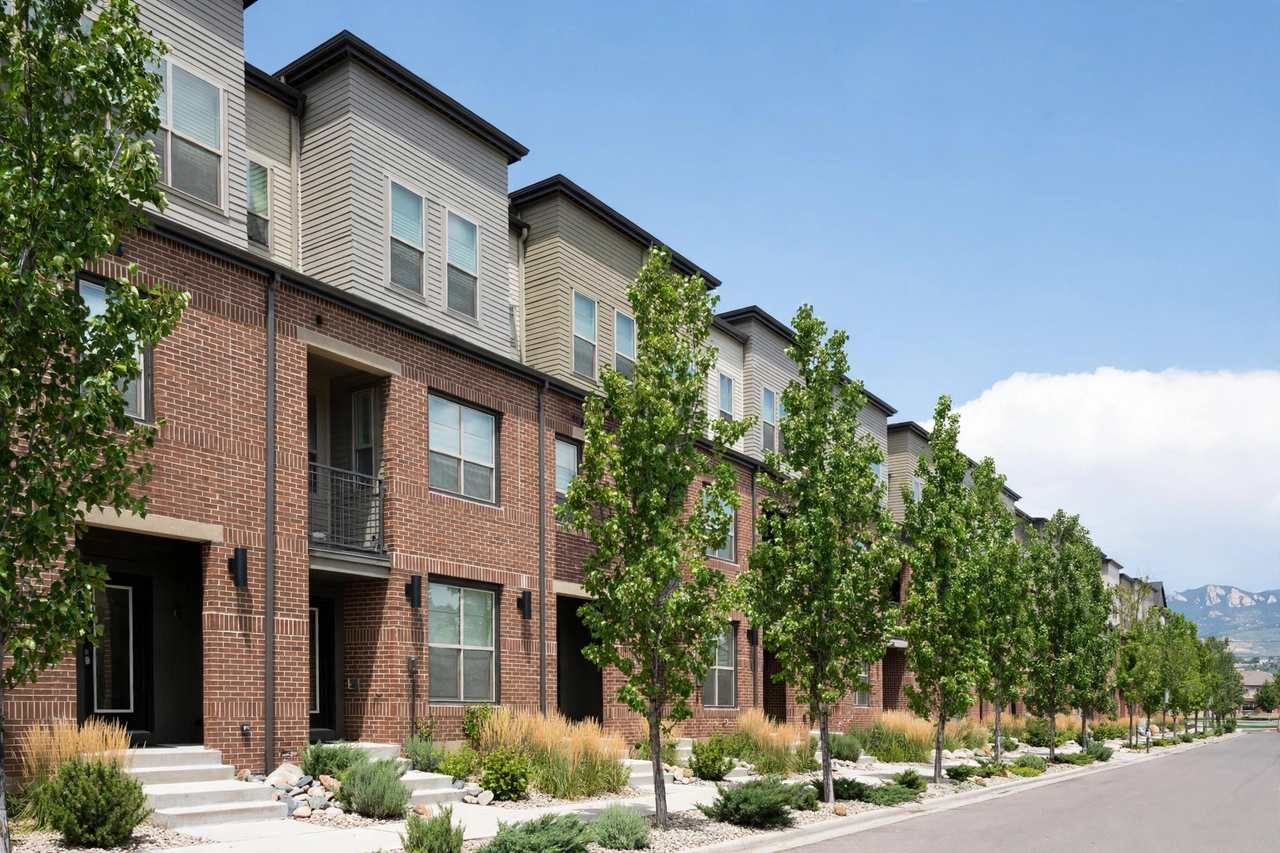
Belmar is not a typical Lakewood residential neighborhood. The Belmar district — the town-center area around the shops, restaurants, offices, and multifamily buildings — is commercial and multifamily, and its roofs are low-slope systems: TPO and EPDM membranes, built-up roofs, and modified bitumen, drained by internal drains, scuppers, and tapered insulation rather than by pitch. When water ponds on one of those roofs, the cause is almost always in the drainage, and the fix is almost always a drainage fix. This guide explains the six real causes and how to tell a minor puddle from a serious problem. The residential Belmar Park neighborhood, with its pitched-roof homes, is a different place — see our roofing page for Belmar Park for that side of Belmar.
The short answer: ponding is a drainage failure, not a roofing mystery
A low-slope roof is designed to move water off, slowly, through slope, drains, and scuppers. Ponding means that system has failed somewhere: the slope is not enough, a drain is blocked, the insulation has compressed, or the deck has deflected under load. The water itself is the symptom. The cause is whatever stopped it moving.
Why Belmar flat roofs pond more than the rest of Lakewood
Belmar’s low-slope roofs pond more than the pitched roofs of the rest of Lakewood for three reasons. First, the building stock: the district’s commercial and multifamily buildings were built with low-slope systems that rely on drainage rather than pitch, so any drainage failure shows up as standing water. Second, the age: many of these roofs are on their second cycle, with tapered insulation and membranes that have been patched and re-patched, and each patch changes how water moves. Third, the use: rooftop units, vents, and equipment curbs break up the drainage plane and create low spots where water collects.
The research for this area is clear about one limit: no verified per-building survey of Belmar district roof systems exists, so the causes below are the standard causes for low-slope commercial and multifamily roofs, not findings about any specific Belmar building. Any roof in the district needs its own inspection before the cause is named.
The six real causes of flat roof ponding water in Belmar CO
- Blocked drains and scuppers. Leaves, debris, and granules collect at the drain. A blocked drain turns a low-slope roof into a shallow pool.
- Insufficient slope. Low-slope roofs need a minimum slope to drain — usually achieved with tapered insulation. If the taper was never adequate, or insulation has compressed, water has nowhere to go.
- Compressed or saturated insulation. Wet insulation loses its shape and its R-value. The low spot it creates collects more water, which saturates more insulation — a cycle that gets worse, not better.
- Deck deflection. A deck that has sagged under load — from water, from rooftop equipment, or from age — creates a permanent low spot that no amount of drain cleaning will fix.
- Rooftop equipment and curbs. HVAC units, vents, and skylight curbs interrupt the drainage plane. Water ponds behind them, especially if the cricket or diverter that should move it was never installed or has failed.
- Failed seams and flashing. Ponding water sits against seams and flashing for days. A seam that would survive rain will fail under standing water, and the leak that follows is often far from the pond.
How to tell minor ponding from a serious problem
The industry rule of thumb is 48 hours: water that drains within 48 hours of a rain event is a drainage inefficiency; water that is still standing after 48 hours is a problem that needs attention. Check the roof two days after rain, in dry weather, and look for what is still there. Also look for the signs that ponding is already doing damage: blistering or bubbling in the membrane, soft spots underfoot, stains on the ceiling below, and vegetation growing in the standing water.
The other test is weight. Standing water is heavy — one inch of water over a square foot weighs about five pounds — and a roof that ponds deeply is carrying a load it was not designed for. If the ponding is deep, or the deck feels soft underfoot, do not walk the roof. Call a roofer.
How to fix ponding water on a flat roof in Lakewood
The fix follows the cause. A blocked drain is a cleaning job. Insufficient slope is a tapered-insulation or cricket job, adding slope where the water sits. Compressed or saturated insulation is a cut-out-and-replace job, and the wet insulation has to come out — drying it in place does not work. Deck deflection is a structural question, and it needs an engineer’s assessment before the roofing work starts. Failed seams are a membrane repair, but a seam repair on a roof that still ponds is a repair that will fail again.
The costs are published market ranges, not a quote: low-slope TPO and EPDM work runs roughly $4–$15 per square foot depending on the assembly (Denver-metro market ranges, October–November 2026). The full picture is in our Lakewood roof replacement cost guide. For the work itself, see our flat roof repair and flat roof installation pages. In Lakewood, a repair of 100 square feet or more needs a permit before tear-off, and low-slope work is closed out with photo inspections through eTRAKiT.
Common mistakes we see on Belmar flat roofs
- Patching the membrane without fixing the drainage. The pond comes back, and the patch fails under standing water.
- Adding another layer over a wet roof. Lakewood allows one layer only. A wet layer trapped under a new one rots the deck.
- Ignoring the drains. A roof with clean drains and a blocked scupper still ponds. Check both.
- Walking a ponded roof to inspect it. A soft deck under standing water is a fall-through risk. Inspect from the edges, or call a roofer.
- Assuming the leak is under the pond. Water travels. The leak can be metres from the standing water, at a seam or flashing that the pond has been pressing on.
When to call a professional
Call a roofer if water is still standing 48 hours after rain, if the deck feels soft, if you see blistering or ceiling stains, or if the roof has rooftop equipment that complicates the drainage. Low-slope roofs are a specialist job: the inspection, the slope survey, and the membrane work are different from pitched-roof work, and the scope has to be written for the specific roof. Call (720) 817-3348 and we will inspect the roof and give you a written scope. Roof Authority LLC works on low-slope roofs in the Belmar district and across Lakewood, including Belmar Park and Union Square.
Frequently Asked Questions
Why is water ponding on my flat roof in Belmar?
Usually because the drainage has failed: blocked drains or scuppers, insufficient slope, compressed or saturated insulation, deck deflection, or rooftop equipment interrupting the drainage plane.
How long should water stay on a flat roof after rain?
Water that drains within 48 hours is a drainage inefficiency. Water still standing after 48 hours is a problem that needs attention.
Is ponding water bad for a flat roof?
Yes. Standing water presses on seams and flashing, saturates insulation, adds weight the deck was not designed for, and accelerates membrane failure.
How much does flat roof repair cost in Lakewood?
Published Denver-metro market ranges (October-November 2026) put low-slope TPO and EPDM work at roughly $4-$15 per square foot depending on the assembly. Those are market ranges, not a quote.
Do I need a permit to repair a flat roof in Lakewood?
Lakewood requires a permit before tear-off on any re-roof or repair of 100 square feet or more, filed through the City eTRAKiT system.
Get help with Roofing in Lakewood
If water is ponding on your flat roof, call (720) 817-3348. We will inspect the roof, find the drainage failure, and give you a written scope for the fix.
Roof Authority LLC is based at 200 Union Blvd, Lakewood, CO 80228, and works Monday to Saturday, 7:00 AM to 5:00 PM. Phone is the way to reach us.